

 0.00
what does that mean?
Add to Stack
8,808 words
Synopsis
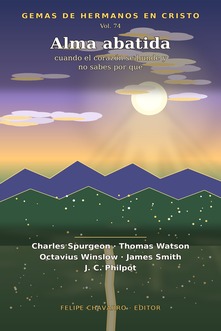
Hay mañanas en las que el corazón se hunde y no se encuentra ninguna razón para ello. No ha ocurrido nada terrible. Ninguna gran pérdida ha golpeado, ningún gran pecado se ha cometido, ninguna gran prueba ha llegado. Y sin embargo el alma yace abatida, como si un peso se hubiera posado sobre ella durante la noche. David conoció esta aflicción, y tres veces en dos salmos breves se vuelve hacia su propia alma con la misma pregunta desconcertada: «¿Por qué te abates, oh alma mía?». Alma abatida reúne diez lecturas clásicas sobre el corazón abatido: sus causas, sus dolores y la esperanza que lo levanta. Charles Spurgeon escribe de las heridas del corazón, la más triste y despreciada de todas las angustias, y del Sanador celestial enviado a vendarlas. Thomas Watson enseña al afligido a pesar rectamente su infierno y a ser agradecido en la aflicción, porque todas las cosas obran para bien. Octavius Winslow encuentra al alma ansiosa fuera de sí misma, en Cristo, y muestra al mismo Cristo detrás del muro de la incredulidad, esperando para mostrar gracia. James Smith escribe para creyentes afligidos en el cuerpo, en la mente y en las circunstancias, y los señala a un Salvador todo suficiente. J. C. Philpot interroga al alma abatida y le responde: espera en Dios. Con introducción original, biografías de cada autor y notas de fuente, este volumen te enseñará a hacer la pregunta de David y a responderla con la respuesta de David. Volumen 74 de la serie Gemas de Hermanos en Cristo.
Similar to this book




Knowledge Elements
Reading Intent
| Purpose: | Inspirational |
|---|---|
| Reader's Existing Knowledge: | Beginner (introduction) |
| Target Audience Age/Stage of Life: | Working Age Adults |
Example Forms
| Author's Personal Anecdotes: | Some |
|---|---|
| Citations: | Footnoted or linked in context |
| Examples and Case Studies: | Occasional examples or case studies |
| Exercises and Reader Questions: | No questions or exercises |
Writing Style
| Humor: | Serious |
|---|---|
| Narrative: | First person |
About the author
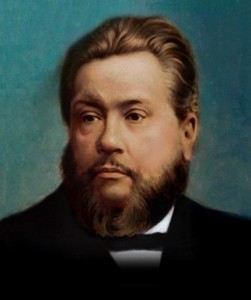
Charles Spurgeon
Charles Haddon Spurgeon (1834–1892) Known as "the prince of preachers," he pastored the Metropolitan Tabernacle in London, preaching to thousands every week for nearly forty years. His sermons, printed weekly, made him the most widely read preacher in history after the biblical authors. He founded a pastors' college and an orphanage that still exists. His preaching joined the sovereignty of God with a tender invitation to the sinner, and his publishing legacy is without parallel in church history.